


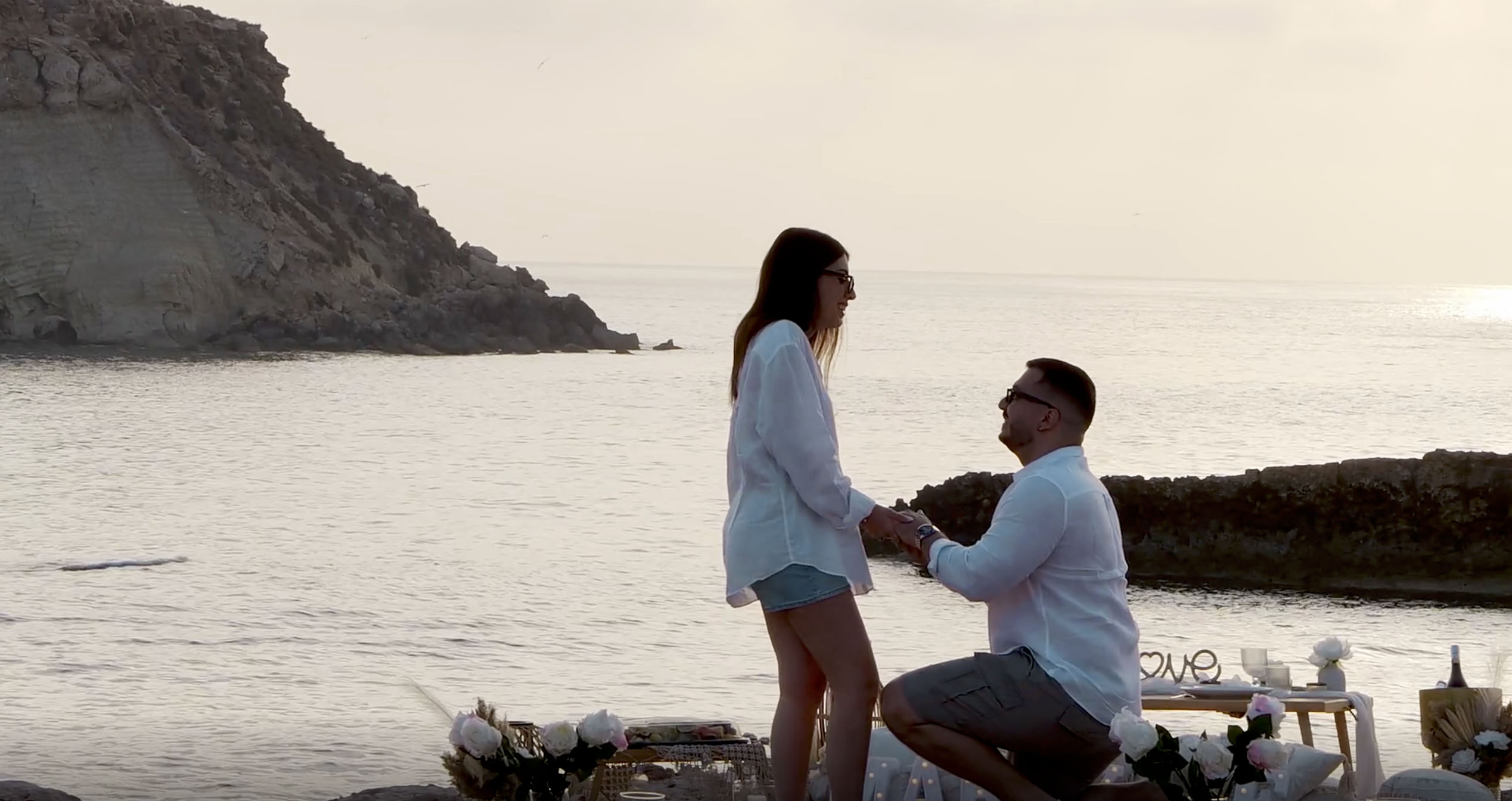
The best compliment we get is that couples forgot we were there. That is largely a function of planning: a day that has been thought through needs very little direction, and a day that has not needs constant interruption.
Before the day
We ask for the schedule, the supplier list, the venue and the ceremony time. From that we work out where the light will be and where the pressure points are — usually the gap between ceremony and reception, which is always shorter than planned.
We also ask who matters. A grandparent who travelled, a friend who could not be a bridesmaid. Told in advance, they end up in the film; told afterwards, they may not.
Getting ready
We arrive while preparations are underway. This part is quieter and more useful than couples expect — it is where the genuine nerves and jokes are, and it sets the opening of most films.
One practical request: a room with daylight and some space. Getting ready in a dark hotel bathroom with six people in it is the single most common constraint on this section.
The ceremony
We work from the edges, usually with two cameras and small microphones on the officiant and the groom, so the vows are recorded properly rather than from across a courtyard.
If there are restrictions — a church that limits where we can stand, a venue that does not allow us past a certain point — tell us beforehand and we will plan for it rather than discover it as you walk in.
The portrait window
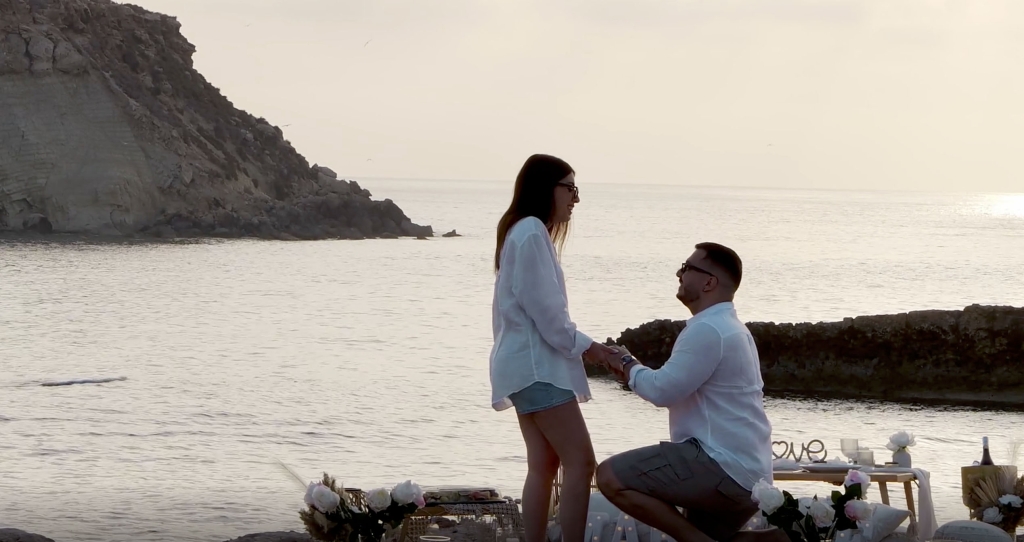
This is the part worth protecting. Forty-five minutes to an hour in the late afternoon produces the footage that makes a film feel composed rather than merely covered.
It is also the first thing sacrificed when the day runs late. Building thirty minutes of slack into the afternoon is the most useful scheduling decision you can make — see a full wedding day itinerary.
Speeches and the evening
Speeches need sound more than picture, so we take a feed where possible. The evening is documentary — first dance, the room, the people who are still going at midnight.
Tell us when you would like us to finish. Coverage to the end of the night sounds appealing but the last hour rarely earns its place in the film.
Working with your photographer
The single biggest factor in how the portrait hour goes is whether the photographer and the film team have worked out how to share it. Good pairs alternate naturally and neither directs over the other. Bad pairs compete, and you spend the hour being pulled between two people.
It is worth telling each supplier who the other is once both are booked. A short conversation beforehand removes almost all of that friction.
If the day runs late
It will, usually by twenty to forty minutes, and almost always in the afternoon. What matters is what gets sacrificed when it does.
Our advice is to decide in advance what you are willing to lose. Most couples, asked beforehand, would rather shorten the drinks reception than lose the portrait window — but if nobody has decided, the portrait window is what disappears by default, because it is the only part with no guests waiting on it.
What we need from you
Almost nothing on the day, which is the point. Beforehand: the schedule, honest information about restrictions, a rough sense of who matters, and a protected window in the afternoon. That is genuinely the whole list.
Talk to us about your wedding
We film a limited number of weddings each year so every couple gets our full attention. See packages and prices, read about us, or tell us your date.