

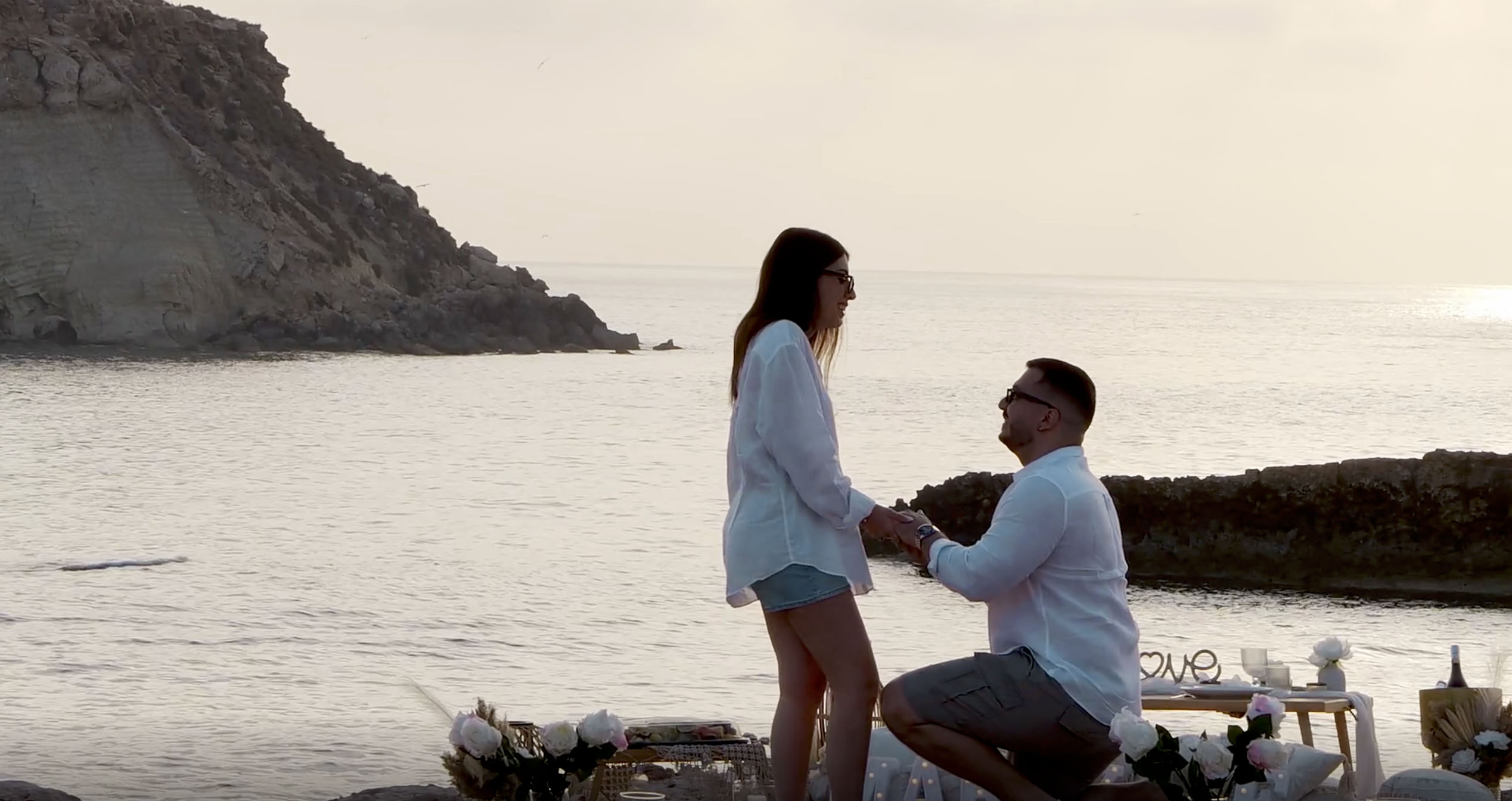
Almost every wedding filmmaker describes their work as cinematic, which has made the word close to meaningless. The distinction that actually matters is how much the film shapes the day versus records it.
Documentary
The day is filmed as it happens. Nothing is staged, nothing is repeated, and the filmmakers stay out of the way. The edit follows real chronology and leans on real sound — the speeches, the laughter, the vows as spoken.
Strengths: it feels true, it ages well, and it captures the people who were there as they actually were.
Trade-off: the film is only as beautiful as the day allowed. Bad light at the ceremony is in the film, because nothing was arranged around the camera.
Cinematic
The film is composed. Shots are set up, some moments are directed, and the edit is built for emotional shape rather than chronology — music-led, often opening with a moment from late in the day.
Strengths: it is the more beautiful object, and it holds a viewer who was not there.
Trade-off: it asks something of you. Portrait time, a willingness to walk somewhere at the right hour, and comfort with being directed a little.
What most couples actually want
A blend, and that is what most good films are. Documentary coverage of everything that genuinely happens — ceremony, speeches, the parts you cannot repeat — with a composed, directed hour built around the best light of the day.
The useful conversation with a filmmaker is not which label they use, but how much of your day they will ask for and what they will do with it.
How style changes the shooting day
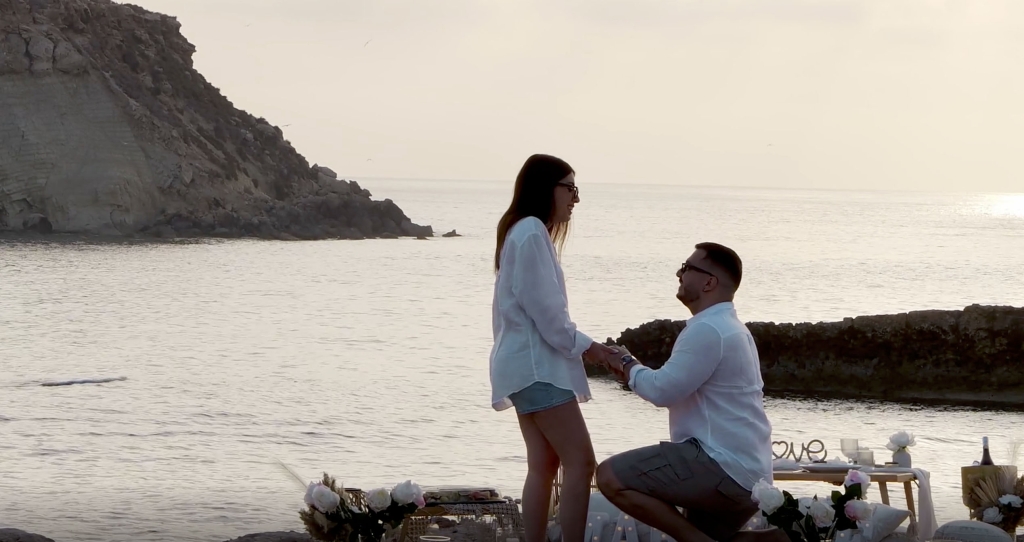
A documentary-led film needs almost nothing from you beyond access. A more composed film needs a protected window — typically forty-five minutes to an hour in the late afternoon — written into the schedule and defended when the day runs late, which it will.
If nobody is protecting that window, you will get documentary coverage regardless of what was promised.
Music, and why it matters more than you think
Music does more to set the feeling of a wedding film than any visual decision. It also carries a practical constraint: commercial tracks are generally not licensed for public distribution, which is why most films use licensed libraries rather than the song from your first dance.
If a particular piece genuinely matters to you, raise it at booking rather than at the edit. There are usually options — a licensed cover, a private version you do not publish — but they need arranging in advance.
Length, and what you will actually rewatch
Most couples watch the short film many times and the long film once or twice a year. Both are worth having, and they do different jobs: the highlight film is the one you send people, the full film is the one that still holds the speeches in twenty years.
Be wary of a package offering only a three-minute film. The ceremony and speeches cannot be preserved in three minutes, and that footage is the part you cannot recreate.
Choosing
Watch full films rather than highlight reels. A ninety-second trailer cut to music tells you nothing about whether someone can hold a five-minute story together. Ask to see a complete film from a wedding like yours — and see what to ask before booking for the rest of the questions worth putting.
Talk to us about your wedding
We film a limited number of weddings each year so every couple gets our full attention. See packages and prices, read about us, or tell us your date.